
AI is incredible at acceleration, but it’s also incredible at confidently inventing nonsense. The trick is to treat it like a powerful teammate: helpful, fast, occasionally wrong, and always in need of clear boundaries. In this post I’ll share the rules I use to keep quality high, avoid hallucinated details, and ship real work faster—without turning my brain into a passive spectator.
What AI is best at (and what it is not)
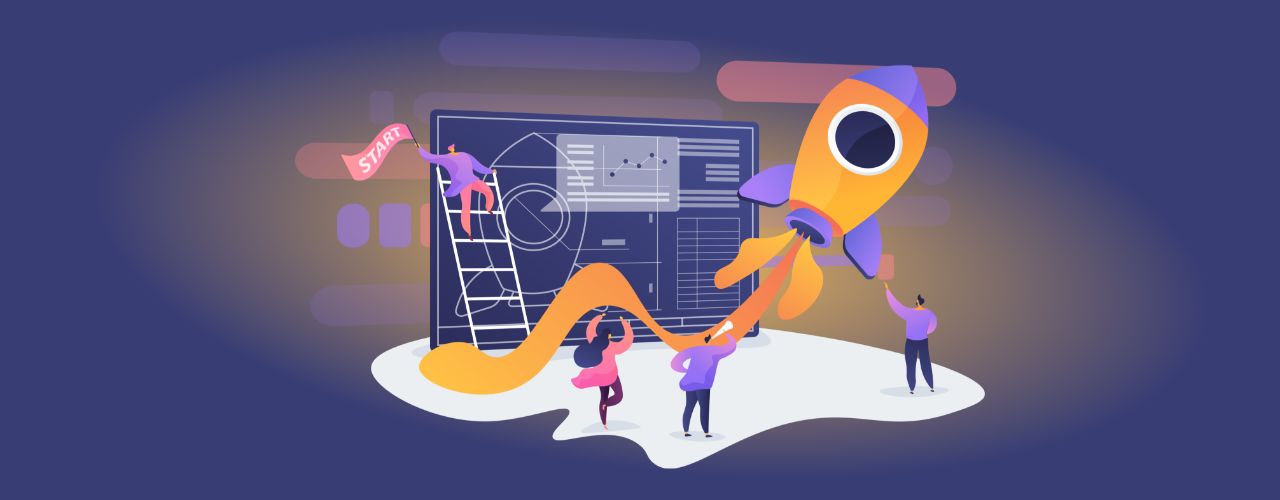
AI shines when you need brainstorming, restructuring, drafting, summarizing your own notes, generating alternatives, and exploring solution space quickly. It’s far less reliable for precise facts, current events, legal claims, or anything that requires perfect accuracy without verification. Treat outputs as a draft: you still own the final choices and the final truth. A practical test: ask the model to cite its sources for any claim you would put in front of a client. If it can’t, you should assume it’s a hypothesis—not a fact.
The rules I follow to keep things solid
- Use AI for drafts, not authority: verify anything factual or risky.
- Give hard constraints: audience, tone, length, and “what not to do.”
- Force structure: headings, checklists, and explicit assumptions.
- Prefer concrete examples over vague guidance—then adapt.
- Run an “edge case pass” before shipping: what breaks, what’s missing?
The “shore to deep water” workflow
I usually start at the shoreline: clarify the goal, define the constraints, and create a safe first draft.
Then I dive deep: refactor, validate, and pressure-test the result against real-world edge cases.
This pattern is the difference between “AI wrote something” and “we built something that holds up.”
If you want a simple mental model: AI generates possibilities; you enforce reality.
 When you combine the two, you get speed without losing standards.
Use AI like a power tool: amazing in trained hands, dangerous when you stop paying attention. - Jason Silvestri
Done right, AI can compress weeks of iteration into days—especially for planning, writing, and prototyping. But the finish line is still yours: accuracy, integrity, and maintainability don’t happen by accident. They happen because you build verification into the workflow.

comments
The “AI generates possibilities; you enforce reality” line is gold. I’ve been burned by trusting outputs too literally—this framing helps.
Same here—learned the hard way. The win is keeping AI in the draft phase until verification makes it real.
The constraint idea is huge. “Make it shorter” never works as well as “max 120 words, keep 3 bullets, no fluff.”